How Saatchi Art Boosted Conversions and Revenue Without Manual Merchandising


With over 1.4 million artworks available, the platform supports both emerging and established artists through an open marketplace model.
The current size and diversity of Saatchi Art’s catalog make product discovery a core business driver. Helping collectors find artwork that resonates visually, emotionally, and contextually is central to conversion.
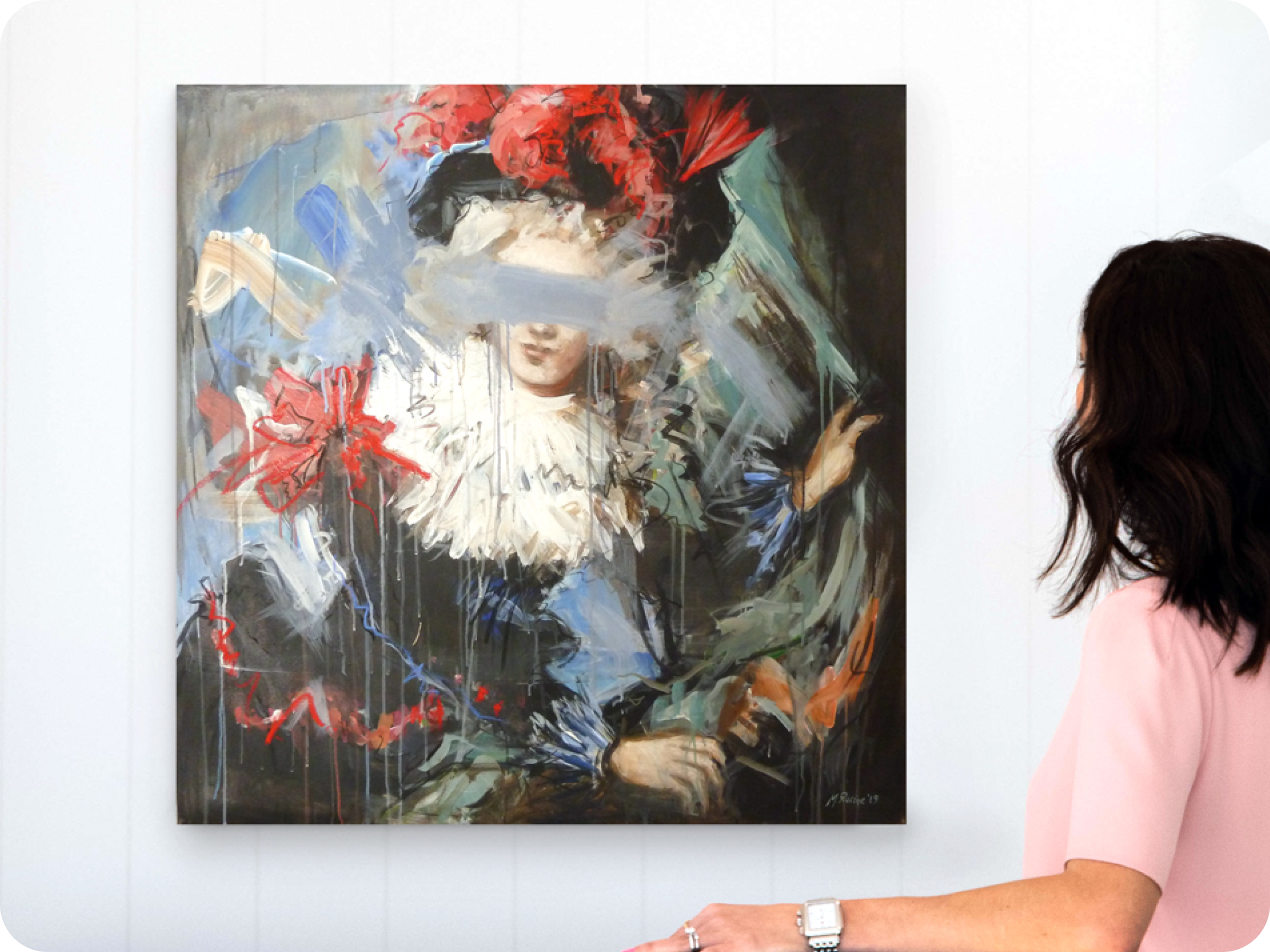
With over 1.4 million artworks available, the platform supports both emerging and established artists through an open marketplace model.
The current size and diversity of Saatchi Art’s catalog make product discovery a core business driver. Helping collectors find artwork that resonates visually, emotionally, and contextually is central to conversion.
Additionally, maintaining the site and handling rankings were proving cumbersome. Saatchi Art doesn’t operate like a traditional ecommerce retailer with a merchandising team. Instead, they have a curation team that reviews artwork and creates collections.
To try and improve Search and Browse rankings, the team would apply rules as needed. However, it was always a trade-off, where improving one class of queries would degrade the performance of others. Each workaround introduced complexity and maintenance overhead without solving the root problem.
In sum, Saatchi Art’s previous search solution struggled to align with the realities of its business. So, they set out to find a new solution.
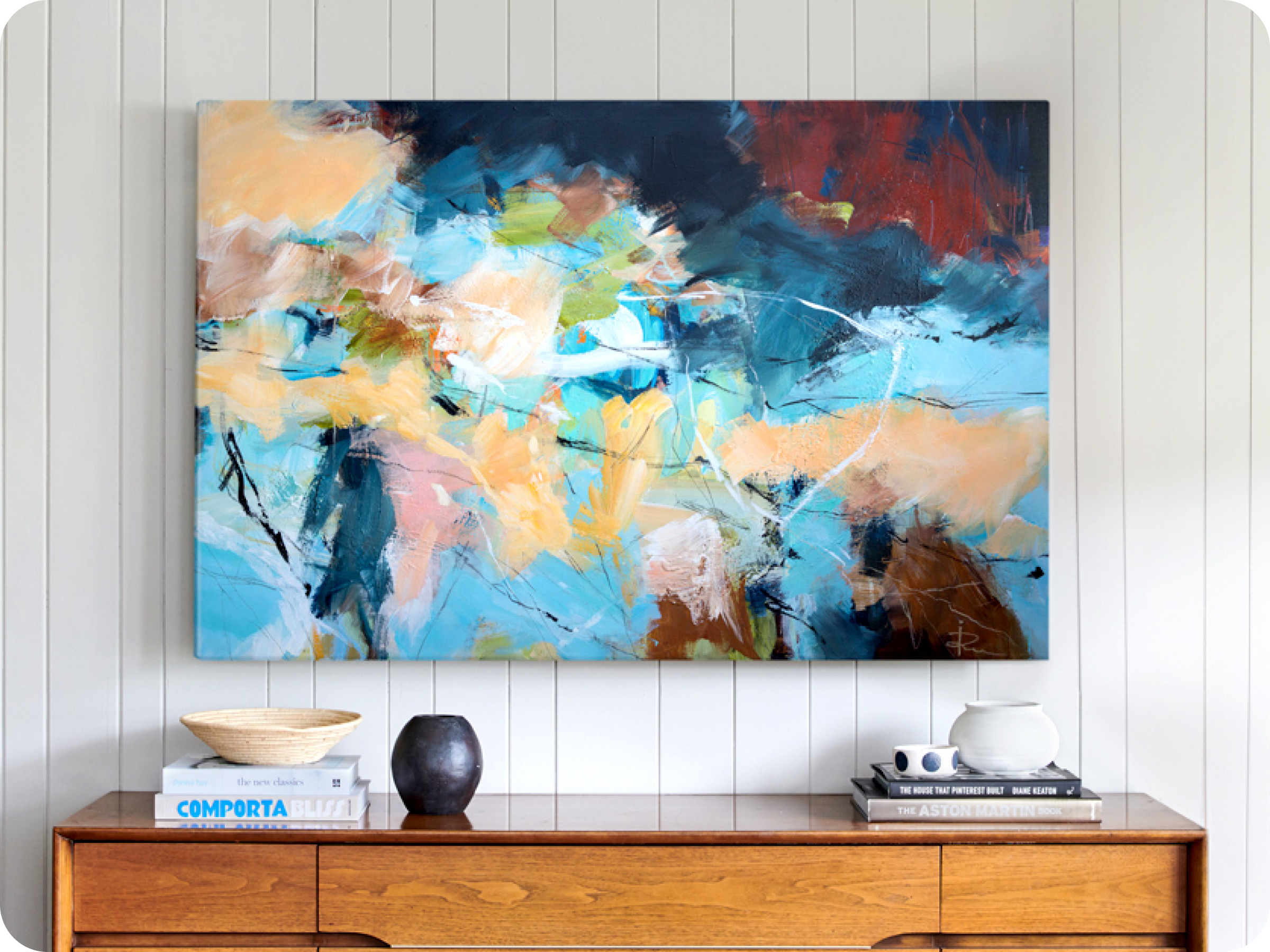
Additionally, maintaining the site and handling rankings were proving cumbersome. Saatchi Art doesn’t operate like a traditional ecommerce retailer with a merchandising team. Instead, they have a curation team that reviews artwork and creates collections.
To try and improve Search and Browse rankings, the team would apply rules as needed. However, it was always a trade-off, where improving one class of queries would degrade the performance of others. Each workaround introduced complexity and maintenance overhead without solving the root problem.
In sum, Saatchi Art’s previous search solution struggled to align with the realities of its business. So, they set out to find a new solution.

Out of the vendors considered by Saatchi Art during the evaluation process, Constructor stood out for several reasons, one of which was the engine’s approach to personalization.
“We like the approach that Constructor has with affinity index with personalizing results and group attractiveness vs individual attractiveness,” Alex Kim stated. “That’s really important to us to provide personalized results.”
He also noted Constructor’s strong visual recommendations, which “tend to be better … than metadata-based recommendations” when it comes to the art industry. But it was Constructor’s white-glove customer support service that sealed the deal as a determining factor.
Out of the vendors considered by Saatchi Art during the evaluation process, Constructor stood out for several reasons, one of which was the engine’s approach to personalization.
“We like the approach that Constructor has with affinity index with personalizing results and group attractiveness vs individual attractiveness,” Alex Kim stated. “That’s really important to us to provide personalized results.”
He also noted Constructor’s strong visual recommendations, which “tend to be better … than metadata-based recommendations” when it comes to the art industry. But it was Constructor’s white-glove customer support service that sealed the deal as a determining factor.
Beyond the metrics, the Saatchi Art team immediately noticed qualitative improvements in search behavior and relevance. Search results felt more intuitive and personalized, especially for visually and semantically similar queries.
For example, Constructor’s engine returned distinct interpretations of artwork for similar queries like “swim” vs. “swimmer.” There was also clear differentiation between visually similar but contextually different searches, such as “black and white” vs. “black horses.”
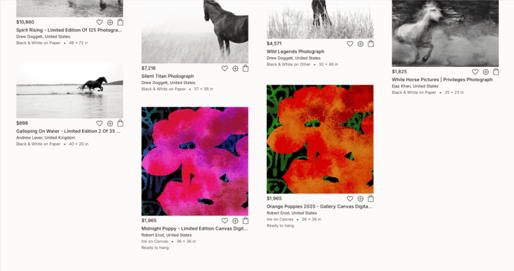
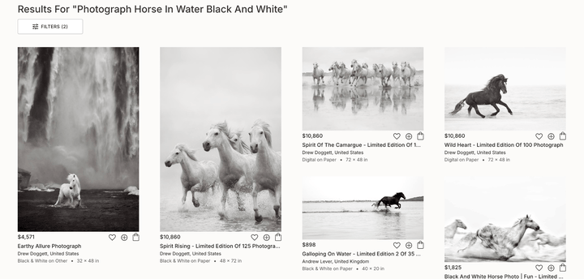
The image on the left is the search results page for the query "photograph horse in water black and white" before Constructor. The photo on the right is the same results page after Constructor was implemented.
Moreover, personalization became apparent during manual testing — without relying on hand-tuned rules or constant intervention.
For a catalog defined by nuance and taste, these differences mattered.


.png?width=80&height=80&name=member-certified-24-white%20(1).png)

